
Quiet Rage: The Stanford Prison Experiment (1992)
 6.9
(8 Votes)
6.9
(8 Votes)
 ( Votes)
Overview
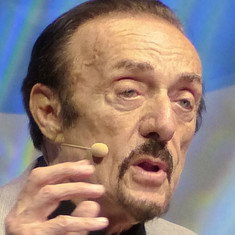
In the summer of 1971, Philip Zimbardo, Craig Haney, and Curtis Banks carried out a psychological experiment to test a simple question. What happens when you put good people in an evil place-does humanity win over evil, or does evil triumph? To explore this question, college student volunteers were pretested and randomly assigned to play the role of prisoner or guard in a simulated prison at Stanford University. Although the students were mentally healthy and knew they were taking part in an experiment, some guards soon because sadistic and the prisoners showed signs of acute stress and depression. After only six days, the planned two-week study spun out of control and had to be ended to prevent further abuse of the prisoners. This dramatic demonstration of the power of social situations is relevant to many institutional settings, such as the Abu Ghraib Prison in Iraq.
Run Time 0 hr 50 min
Status Released
Release Date 1 Jan, 1992
Budget -
Revenue -
Similar Movies

0
In the world of computer games, there are players earning fight money as a PRO. They are s...
8
On November 13, 2015, the attacks in Paris and Saint-Denis, carried out by three Islamist ...

0
A filmmaker confined to a psychiatric institution tries to find healing by bringing togeth...

Videos
Recommendations
6.198
SEDUCED AND ABANDONED combines acting legend Alec Baldwin with director James Toback as th...
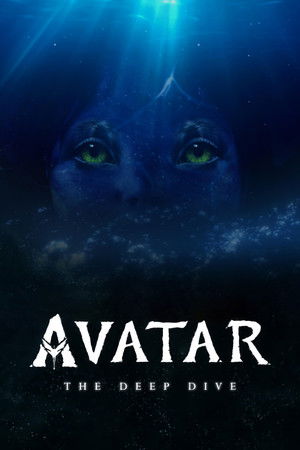
7.207
An inside look at one of the most anticipated movie sequels ever with James Cameron and ca...
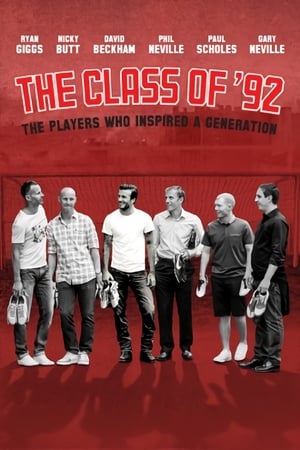
7.062
A detailing of the rise to prominence and global sporting superstardom of six supremely ta...
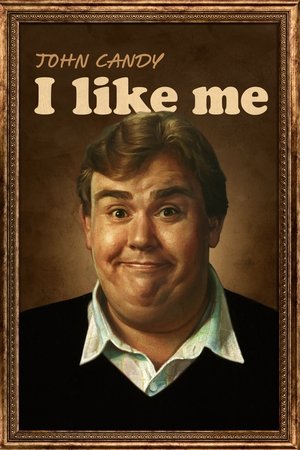
7.843
Those who knew iconic funnyman John Candy best share his story, in their own words, throug...
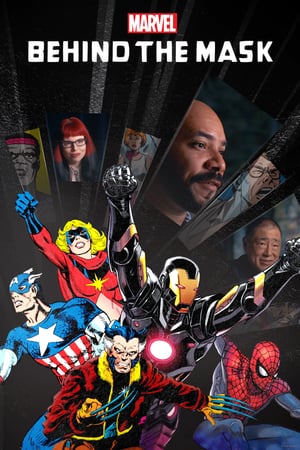
7.052
A documentary special that explores the power of identity behind the iconic superheroes we...

6.583
A documentary chronicling Vogue editor-in-chief Anna Wintour's preparations for the 2007 f...

7.2
Join the likes of Jeremy Renner, Hailee Steinfeld, Florence Pugh, and Vincent D’Onofrio ...

7.766
Daniel Craig candidly reflects on his 15 year adventure as James Bond. Including never-bef...
