
The Emperor in August (2015)
 6.7
(18 Votes)
 6.6
(740 Votes)
Overview
In July 1945, during the end of World War II, Japan is forced to accept the Potsdam Declaration. A cabinet meeting has continued through days and nights, but a decision cannot be made. The U.S. drops atomic bombs on the cities of Hiroshima and Nagasaki, Japan. General Korechika Anami is torn over making the proper decision and the Emperor of Japan worries about his people. Prime Minister Kantaro Suzuki leads the cabinet meeting, while Chief Secretary Hisatsune Sakomizu can't do anything, but watch the meeting. At this time, Major Kenji Hatanaka and other young commissioned officers, who are against Japan surrendering, move to occupy the palace and a radio broadcasting station. The radio station is set to broadcast Emperor Hirohito reading out the Imperial Rescript on the Termination of the War.
Run Time 2 hr 16 min
Status Released
Release Date 8 Aug, 2015
Budget -
Revenue -
Similar Movies


0
Tom Crosslin and Rollie Rohm, a couple in rural Michigan, build a peaceful, pot-friendly u...

5.8
A tribute to the cameramen of the newsreel companies and the service film units, in the fo...

8.5
People in Czechoslovakia perceive the events of February 1948 differently. This movie tell...
Videos
CAST
Full Cast & Crew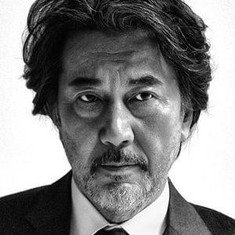




Recommendations

Admiral Isoroku Yamamoto (1884-1943) was the Japanese Naval commander who was given the or...

7.507
The story of the battle of Iwo Jima between the United States and Imperial Japan during Wo...

6.852
There were five Marines and one Navy Corpsman photographed raising the U.S. flag on Mt. Su...


7.285
Island of Java, 1942, during World War II. British Major Jack Celliers arrives at a Japane...
7.6
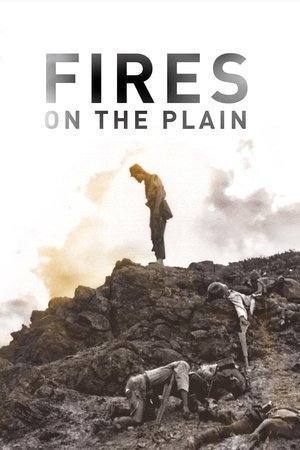
In the closing days of WWII, a Japanese soldier afflicted with tuberculosis is abandoned b...

6.7
Korean War, April 1953. Lieutenant Clemons, leader of the King company of the United State...


8.193
WWII American Army Medic Desmond T. Doss, who served during the Battle of Okinawa, refuses...

7.4
The story of a group of men, an Army Rifle company called C-for-Charlie, who change, suffe...
