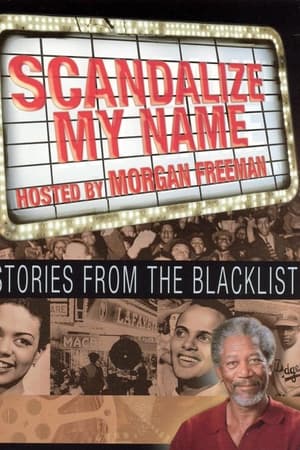
Scandalize My Name: Stories from the Blacklist (1998)
 8.25
(4 Votes)
8.25
(4 Votes)
 8.0
(141 Votes)
8.0
(141 Votes)
Overview
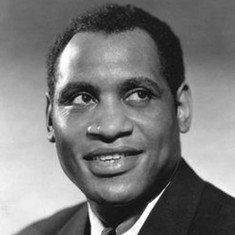
A look at the confluence of the Red Scare, McCarthyism, and blacklists with the post-war activism by African Americans seeking more and better roles on radio, television, and stage. It begins in Harlem, measures the impact of Paul Robeson and the campaign to bring him down, looks at the role of HUAC, J. Edgar Hoover and of journalists such as Ed Sullivan, and ends with a tribute to Canada Lee. Throughout are interviews with men and women who were there, including Dick Campbell of the Rose McLendon Players and Fredrick O'Neal of the American Negro Theatre. In the 1940s and 1950s, anti-Communism was one more tool to maintain Jim Crow and to keep down African-Americans.
Run Time 0 hr 54 min
Status Released
Release Date 1 Jan, 1998
Budget 1,000,000 $
Revenue 100,000 $
Similar Movies
6.691
Somewhere in Australia in the early 20th century outback, an Aboriginal man is accused of ...
0
What if this next generation could transcend racism? One year, 12 teens, on a remarkable j...
0
Afro-Antillean workers hired for the construction of the Panama Canal are brought from the...
6.6
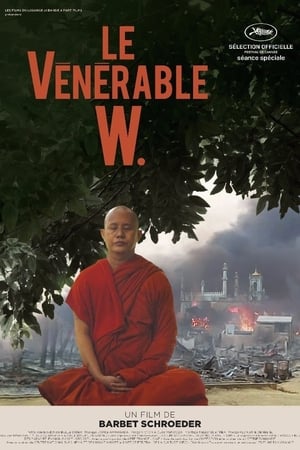
A view of the religious tensions between Muslims and Buddhist through the portrait of the ...
Videos
CAST
Full Cast & Crew

Recommendations

6.167
An investigative look and analysis of gender disparity in Hollywood, featuring accounts fr...
6.904
The history of cinematic sound, told by legendary sound designers and visionary filmmakers...
6.479
Prelude to War was the first film of Frank Capra's Why We Fight propaganda film series, co...
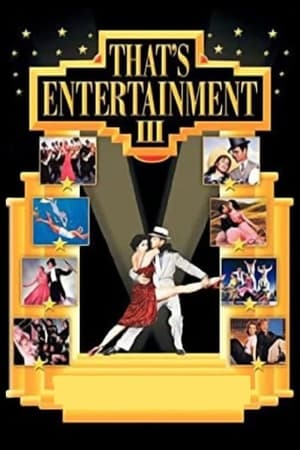
7.05
Some of MGM'S musical stars review the studios history of musicals. From The Hollywood Rev...
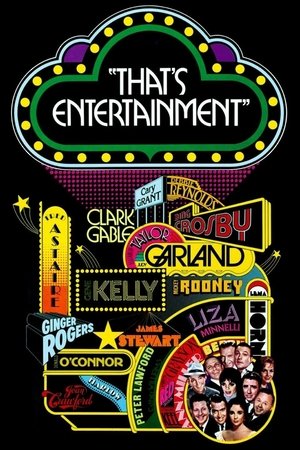
7.341
Various MGM stars from yesterday present their favorite musical moments from the studio's ...
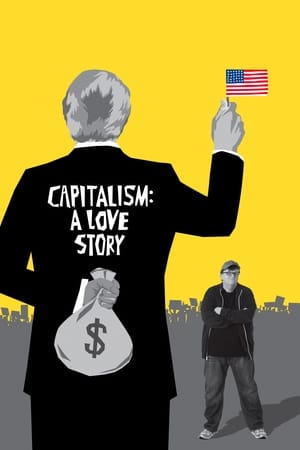
7.063
Michael Moore comes home to the issue he's been examining throughout his career: the disas...
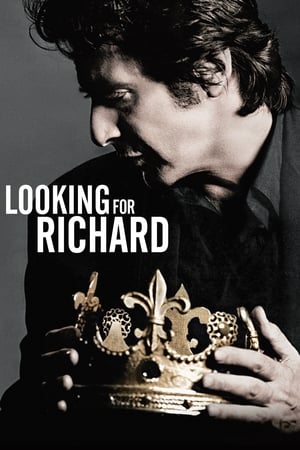
6.8
Al Pacino's deeply-felt rumination on Shakespeare's significance and relevance to the mode...
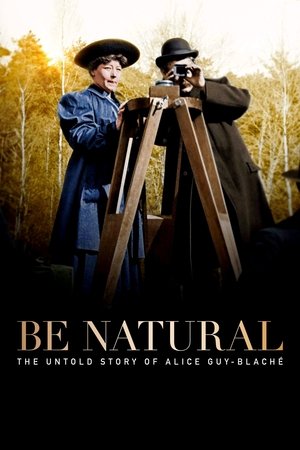
7.263
The epic life story of Alice Guy-Blaché (1873–1968), a French screenwriter, director an...
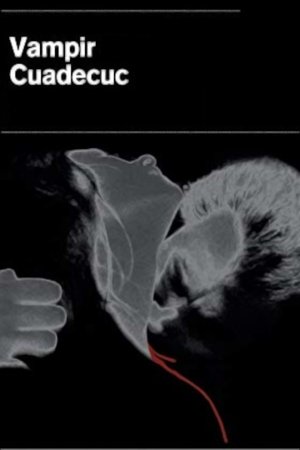
6.2
An atmospheric essay, which is an alternative version of Count Dracula, a film directed by...
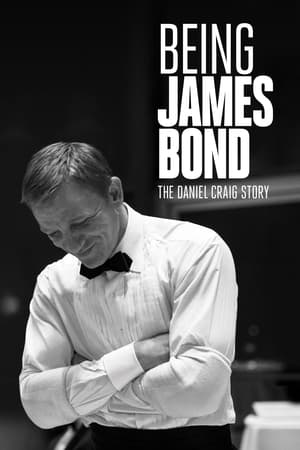
7.766
Daniel Craig candidly reflects on his 15 year adventure as James Bond. Including never-bef...
