Name
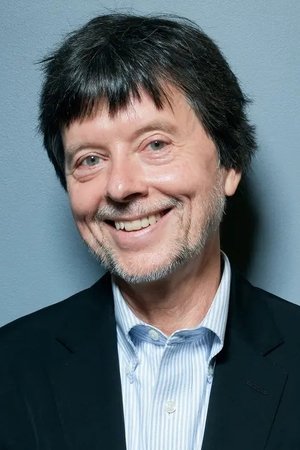
Ken Burns
Known For
Directing
Birthday
1953-07-29 (73 years old)
Place of Birth
Brooklyn, New York, USA
Biography
Ken Burns (born 1953) is a highly celebrated American documentarian who gradually amassed a considerable reputation and a devoted audience with a series of reassuringly traditional meditations on Americana. Burns' works are treasure troves of archival materials; he skillfully utilizes period music and footage, photographs, periodicals and ordinary people's correspondence, the latter often movingly read by seasoned professional actors in a deliberate attempt to get away from a "Great Man" approach to history. Like most non-fiction filmmakers, Burns wears many hats on his projects, often serving as writer, cinematographer, editor and music director in addition to producing and directing. He achieved his apotheosis with The Civil War (1990), a phenomenally popular 11-hour documentary that won two Emmys and broke all previous ratings records for public TV. The series' companion coffee table book--priced at a hefty $50--sold more than 700,000 copies. The audio version, narrated by Burns, was also a major best-seller. In the final accounting, "The Civil War" became the first documentary to gross over $100 million. Not surprisingly, it has become perennial fund-raising programming for public TV stations around the country. Burns arrived upon the scene with the Oscar-nominated Brooklyn Bridge (1981), a nostalgic chronicle of the construction of the fabled edifice. The film was more widely seen when rebroadcast on PBS the following year. Though Burns has made other nonfiction films for theatrical release, notably an acclaimed and ambiguous portrait of Depression-era Louisiana governor Huey Long (1985), PBS would prove to be his true home. He cast a probing eye on such American subjects as The Statue of Liberty (1985), The Congress (1988) (PBS), painter Thomas Hart Benton (1988) (PBS) and early radio with Empire of the Air: The Men Who Made Radio (1991) (PBS). Burns returned to long-form documentary with his most ambitious project to date, an 18-hour history of Baseball (1994), which aired on PBS in the fall of 1994. He approached the national pastime as a template for understanding changes in modern American society. Ironically, this was the only baseball on the air at the time, as the players and owners were embroiled in a bitter strike.
Known For
8.485
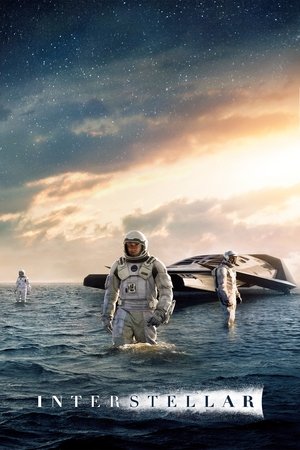
The adventures of a group of explorers who make use of a newly discovered wormhole to surp...
6.333
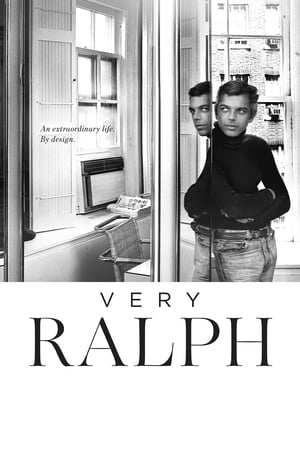
The first documentary portrait of fashion icon Ralph Lauren, reveals the man behind the ic...
7.5
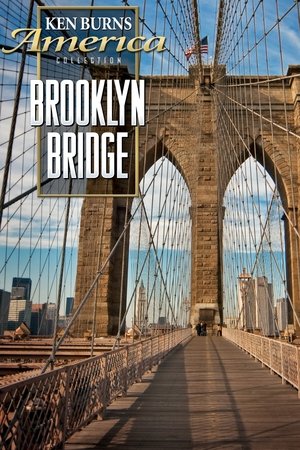
Today it's a symbol of strength and vitality. 135 years ago, it was a source of controvers...
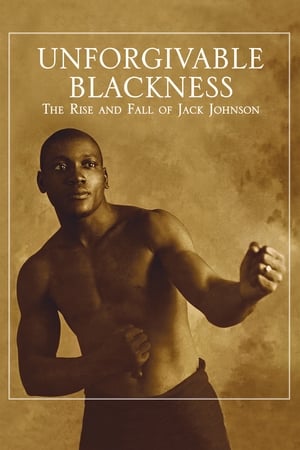
7.161
The story of Jack Johnson, the first African American Heavyweight boxing champion....
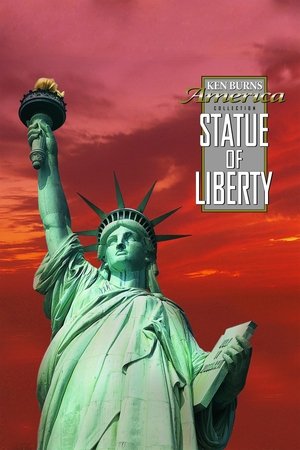
6.9
For more than 100 years, the Statue of Liberty has been a symbol of hope and refuge for ge...
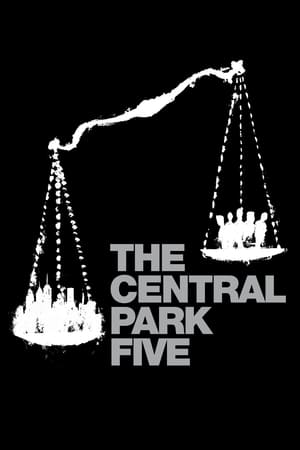
7.017
In 1989, five black and Latino teenagers from Harlem were arrested and later convicted of ...
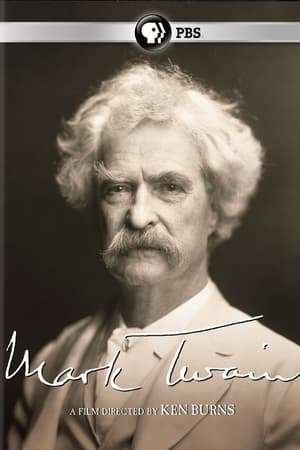
7.111
Largely considered to be the greatest American author, Mark Twain is celebrated in this ex...

6.9
Join an American couple’s courageous mission in 1939 to help refugees escape Nazi-occupi...
7.2
They called themselves the United Society of Believers in Christ's Second Appearing, but b...
- 2010 A Hall for Heroes: The Inaugural Hall of Fame Induction of 1939
- 2022 The Unmaking of a College as Self
- 2012 Plimpton! Starring George Plimpton as Himself as Self
- 2024 Ken Burns: One Nation, Many Stories
- 2014 OETA's On the Record: Ken Burns as Self
- 2000 Chuck Jones: Extremes and In-Betweens - A Life in Animation as Self
- 2020 Ken Burns: Here & There as Himself
- 2020 Here For A Good Time as Self
- 2019 Very Ralph as Self
- 2019 Henry Louis Gates Jr.: Uncovering America as Self - Director and Producer
- 2006 Wordplay as Self
- 2023 Spirit of Golf as Self
- 2013 Yosemite — A Gathering of Spirit as Narrator (Voice)
- 2004 The Tony Danza Show ( 1 episode ) as Self
- 1996 The Daily Show ( 2 episodes ) as Self
- 1952 Today ( 1 episode ) as Self
- 1981 This Week ( 1 episode )
- 2012 Finding Your Roots ( 1 episode ) as Self
- 1968 60 Minutes ( 1 episode ) as Self
- 2005 The Colbert Report ( 4 episodes ) as Self
- 1993 Late Night with Conan O'Brien ( 1 episode ) as Self - Guest
- 2005 The Tim McCarver Show ( 1 episode )
- 2021 Back on the Record with Bob Costas ( 1 episode ) as Self
- 2012 The Mindy Project ( 1 episode ) as Ken Burns
- 2009 MLB: Baseball's Seasons ( 1 episode ) as Self - Filmmaker
- 2015 The Late Show with Stephen Colbert ( 6 episodes ) as Self - Guest
- 1989 The Simpsons ( 2 episodes ) as Ken Burns (voice)
- 1980 CNN Special Report ( 1 episode ) as Self
- 1962 The Tonight Show Starring Johnny Carson ( 1 episode ) as Self
- 2014 The Tonight Show Starring Jimmy Fallon ( 1 episode ) as Self - Guest
- 2024 In the Know ( 1 episode ) as Self
- 2007 Craft in America ( 1 episode ) as Himself
- 2018 Firing Line with Margaret Hoover ( 1 episode )
- 2015 Difficult People ( 1 episode ) as Ken Burns
- 2021 The Problem with Jon Stewart ( 1 episode ) as Self
- 2018 Firing Line with Margaret Hoover ( 1 episode ) as Self
- 2005 The Colbert Report ( 1 episode ) as Self (uncredited)
- 1993 Late Show with David Letterman ( 1 episode ) as Self - Guest
- 2015 The Late Show with Stephen Colbert ( 1 episode ) as Self
- 1997 The View ( 1 episode ) as Self
- 1954 Face the Nation ( 1 episode ) as Self
